Retention is not just a safety net anymore. In 2026, it is the new acquisition. If you think keeping customers is secondary, you are already behind. Companies cannot just wait for problems to show up. Reactive support, fixing things after they break, does not cut it anymore. Silent churn is real. Customers leave quietly. They do not complain. You might not even know you lost them until it is too late.
That is why proactive customer success strategies matter. Leading companies are not waiting. They are using AI, predictive health scoring, and value-based milestones to catch problems early. They act before the customer even notices an issue. According to HubSpot, 81 percent of CRM leaders are of the opinion that by 2025 most customer service agents would have regular usage of AI. This indicates the extent to which such strategies have gone mainstream.
This article will show you how to spot risks, reduce churn, and unlock expansion revenue. It is about acting early, building trust, and turning service into growth using proactive customer success strategies in real, practical ways.
Why Proactive Success is the Revenue Engine of 2026
Customer Success Managers are not just support people anymore. That role is dead. If you still think of them as the people who answer tickets and calm angry clients, you are behind. Today, a CSM is a revenue partner. They do more than fix problems. They spot opportunities, prevent churn, and help the company grow without anyone noticing. Service teams are not cost centers anymore. They actually drive growth. Salesforce research shows companies are starting to get this. Customer success is strategic now.
The numbers make it real. Net Revenue Retention is not just about plugging holes in the bucket. It is about adding water to it while making sure nothing spills. Proactive customer success strategies do exactly that. They see upsells before a client asks. They spot risks before a complaint happens. They make the customer feel looked after without being pushy. That is how revenue grows steadily and quietly.
Trust is currency. If a CSM says, we noticed you are not using Feature X, which could save you three hours a week, the customer listens. They trust you. They see a partner, not a vendor. HubSpot data says 44 percent of service leaders say improving customer experience is their top problem to solve. That is huge. Customer experience drives retention and expansion.
The companies that get this right do more than keep clients. They build authority, deepen relationships, and open new doors. In 2026, the ones who win are those who act before the customer even knows they need it.
Core Pillars of a Proactive Strategy
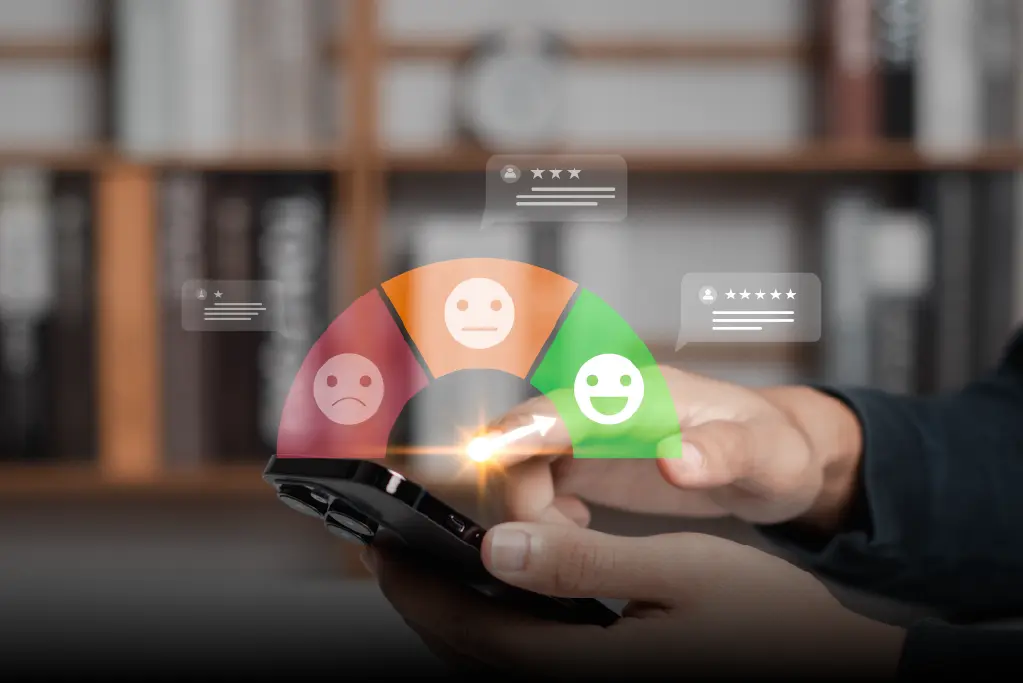
Predictive health scoring is more than just checking if someone logged in. Logging in doesn’t mean they are getting value. You can see clicks and time spent, but that does not tell you if they are frustrated or confused. That is where sentiment analysis comes in. AI can look at emails, support tickets, and chat messages. It can spot frustration before the customer even complains. You notice issues quietly and early. You step in before it becomes a problem.
Outcome tracking is another piece. Are they actually getting what they bought the software for? It is not enough to see logins or activity. You have to see if the customer is hitting their goals. If they are not, you can intervene. You can guide them back on track. That is the essence of proactive customer success.
Then comes the prescriptive journey map. Don’t wait for the customer to ask ‘what next?’ Plan what they need at every stage. Month one is onboarding and stability. Make sure they understand the basics. Make sure they feel supported. Month six is optimization and efficiency. Show them how to work smarter, get more from the tool. By year one it is about expansion and advocacy. Help them find new ways to get value. Turn them into champions.
Automated nudges and human touch need balance. Some things can be automated. Low-complexity feature adoption? Send an in-app message. Strategic discussions? That needs a real person. Quarterly business reviews or strategic check-ins cannot be automated. That is what builds trust. That is what makes the customer feel understood.
Platform choice matters. Salesforce more than 150,000 CRM customers in 2025. That means most large companies rely on it. HubSpot holds about 2 percent. It is smaller but growing fast. The platform affects how you track health, send nudges, and map journeys.
Get these three pillars right. Predictive health, prescriptive journeys, and the proper combination of automation and human touch. When done correctly, the proactive customer success strategies will turn churn reduction, expansion increase, and long-term value creation into everyday occurrences. It is no magic. It is noticing, acting, and being there before the customer asks.
Also Read: Sandbagging in Sales: Why It Happens and How CROs Can Eliminate It for Predictable Revenue in 2026
3 Tactics to Prevent Churn Before It Happens
First, the risk-trigger playbook. Look, you cannot wait for a customer to scream at you before you act. You have to notice the red flags early. Maybe the executive sponsor leaves, maybe weekly active users drop. Maybe the same issue keeps popping up in support tickets, each of these is a signal. And each needs a plan. If the sponsor leaves, the CEO should reach out. If usage drops, the CSM calls, asks questions, and figures out what went wrong. These are small interventions but they stop churn before it starts.
Second, the pre-renewal value audit. Stop just sending an invoice 30 days before renewal and hoping the customer clicks pay. That is passive and risky. Instead, walk through a 90-day pre-renewal check. Show them exactly what value they got. How much time they saved. How much money they made. Show the impact clearly. Customers respond when they see proof. This is not salesy. It is helping them understand why staying makes sense.
Third, education as retention. A confused customer eventually leaves. An educated customer sticks around and expands. Webinars, academy content, short tutorials, even in-app tips keep the customer learning. The more they know, the more they use, the more they see the value. That is proactive success.
Deloitte’s 2025 service excellence research shows that AI adoption is increasing. Faster resolutions, smarter automation, better insights into usage and frustration. This is not optional anymore. AI helps you spot problems early, intervene faster, and give the customer the experience they expect. It supports every one of these tactics.
Combine all three. Spot risks before they become issues. Show the customer the value they are getting. Keep them educated. That is how proactive customer success works. You prevent churn quietly. You increase trust. You open doors for expansion. And you do it without nagging or pushing.
Turning Success into Revenue
Expansion is not about pushing customers to buy more. It is about noticing when they are ready and helping them get more value. That is the soft upsell. Take a customer who keeps hitting a usage cap. A proactive CSM does not call to sell aggressively. They call to unlock capacity. They show the customer how to get more out of what they already have. That is expansion without pressure. That builds trust and keeps the relationship strong.
Then there are CSQLs, customer success qualified leads. These are the opportunities that CSMs can spot because they understand the customer deeply. The trick is incentivizing CSMs to notice growth moments without turning them into salespeople. If a CSM sees a customer struggling with a feature, it might be a chance to offer a higher plan or extra support. It is not about closing a deal. It is about helping the customer succeed and letting the expansion happen naturally.
When proactive customer success strategies are in place, growth becomes organic. You reduce churn and at the same time, open doors for expansion. Customers feel understood. They use more. They stay longer. They advocate for your product. That is how companies turn everyday service into revenue. It is quiet, effective, and it works because it is centered on the customer, not the sale.
The Future is Predictive

Proactive customer success strategies are not something you do on the side anymore. It is about data, empathy, and timing all at once. You notice things early. You step in before the customer even asks. You see the signals that others miss. That is how you stop problems from growing. That is how you keep customers. That is how you help them get more value.
Look at your own strategy for a second. Are you running around putting out fires all the time? Or are you building things so that problems never even appear? Fire-proof houses, not firefighting. In practicing proactive success, such gains are to be found in the real world.
The year 2026 will mark those who are able to empathize with the customer more than the customer knows about themselves as the winners. They see what is coming. They act early. They turn ordinary service into growth. That is the point. That is why proactive customer success matters.